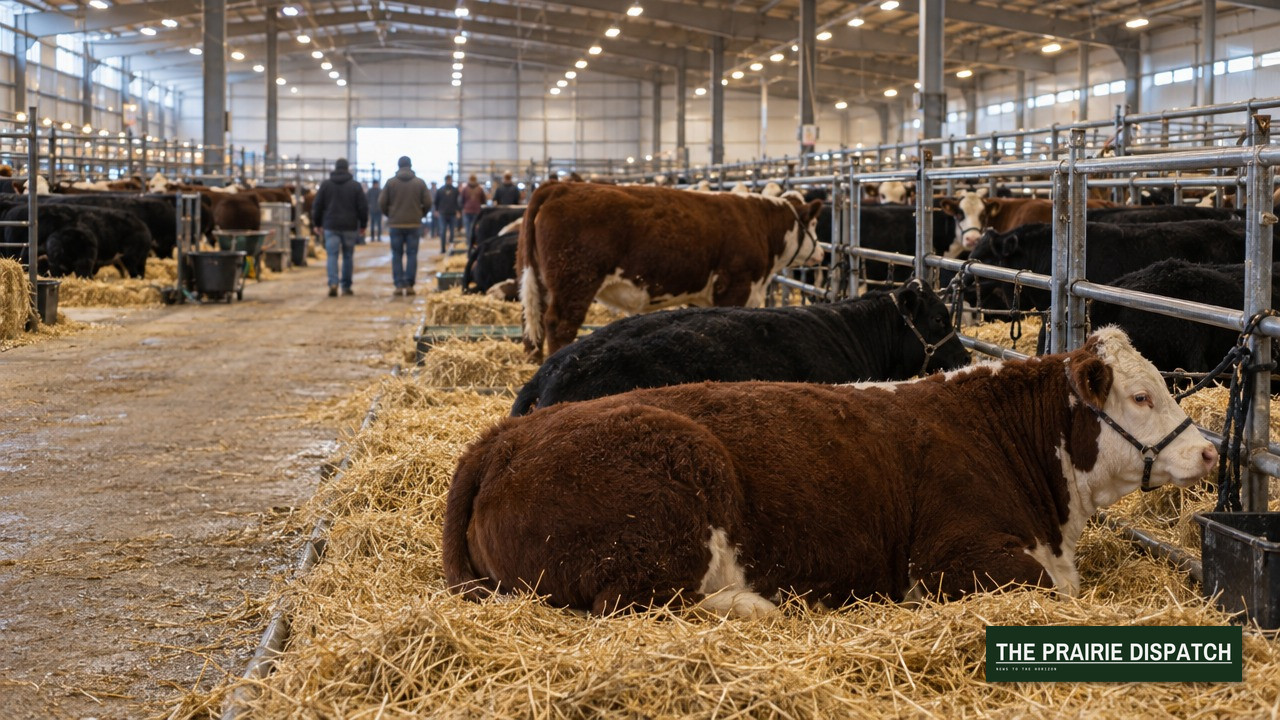
SARM delegates back resolutions on cougars, elk, mustard and drainage
Rural municipality delegates at last week's midterm convention in Saskatoon approved a slate of agriculture measures, after reeves described livestock kills, crop damage and downstream water problems.
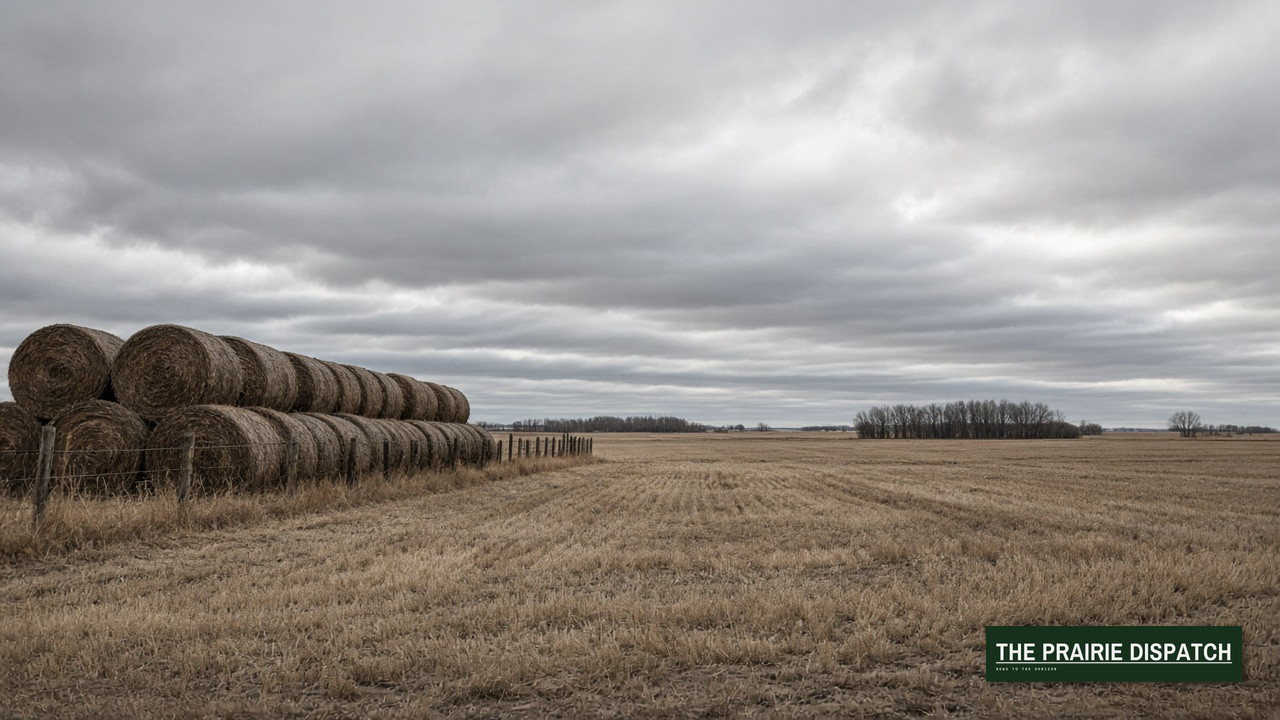
Delegates at the Saskatchewan Association of Rural Municipalities midterm convention in Saskatoon approved agriculture resolutions on cougars, elk depredation, illegal drainage and a proposed genetically modified mustard variety, WestCentralOnline reported Monday.
Curtis Lammers, reeve of the Rural Municipality of Perdue No. 346, told delegates one rancher lost 14 calves while waiting more than two weeks for government permission to pursue a cougar believed responsible for attacks in his area, and that additional sheep, goats and calves were lost in that period. An amended resolution calls on SARM to ask the province to allow trained dogs, used by trained handlers, to hunt and track cougars.
Doug Trotzik, from the Rural Municipality of Frenchman Butte No. 501, said elk continue to damage standing crops, feed supplies and bale yards. Delegates endorsed longer depredation permit windows, and approved a motion from the Rural Municipality of Pittville No. 169 opposing genetically modified Brassica juncea. Norm Hall, chair of SaskMustard, said producer groups are lobbying but need broader support. An amendment added Agriculture and Agri-Food Canada and the Canadian Food Inspection Agency to the agencies being asked to intervene.
A fourth resolution asks the province and the Water Security Agency to hold landowners accountable for illegal drainage. Raymond Gauthier of the Rural Municipality of Duck Lake No. 463 said municipalities at the bottom of drainage basins often face water problems that start many miles away.